She Speaks of Imitation

Artemisia Gentileschi, Self-Portrait as the Allegory of Painting (La Pittura), c. 1638–39. (Royal Collection Trust, London)
Icon
Steady psyche
Achieved Symbiosis
Turned allegory for us to
Witness

Artemisia Gentileschi, Self-Portrait as the Allegory of Painting (La Pittura), c. 1638–39. (Royal Collection Trust, London)
Icon
Steady psyche
Achieved Symbiosis
Turned allegory for us to
Witness
feng shui manifestations
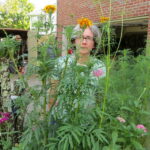
I have relinquished the raspberries to the birds.
They just didn’t produce much this year.
I need to thin them out, share the wealth.
Maybe plant some under the front window,
Just to see how they’ll do, if they’ll grow.
Or if I must relinquish those too.
january i bared it
spoke the future forth
named the day
laid my neck on its block
as the game requires
eyes open
ungirdled
so i said to myself
when the axe swung
i flinched once
snatched my head back
into the hard shell
of my armor
and the bargain broke there
whether you went dark
to punish or spare me
i do not know
the fae king keeps
his green counsel
but here is the thing i kept
knotted where it does not show:
the small green hope
i wore all spring
under everything
and told no one
so that i could keep wearing it —
the still-bleeding nick
from that edge
1. Open the “poem editor” as early in the day as possible
2. Think of something to write about
3. Make a quick first draft
4. Immediately click “submit poem”
This is key–step 4 puts the pressure on.
You have fifteen minutes to edit your poem.
5. Read your poem. Check first for obvious spelling errors
6. Read it aloud.
7. Scramble to complete revisions before the option goes away
8. Click “submit changes”
9. Repeat steps the next day
10. Re-read the poem, perhaps days later, and accept that it fell short
It’s about the journey, not the failures.
Failure is the most human of prizes.
Sexist Auden never conceived of a woman
reaching the moon. For him, only men
appreciate technology.
poor foolish boy!
To dismiss half of humanity as incompetent
robbed him of a rich reality. He couldn’t comprehend
the genius female of women’s pencils
scratching formulae – the mother lode —
mathematics which finally set human feet
in lunar dust.
Toss it up
Hope, Dreams,
It floats up
Stops Suspended
Down
With a thud
Hits
Ground
One side
In God we trust
The other
Can’t be trusted
Tonight the moon
has made again
its temporary home
upon the water,
and on the moon
are winding valleys-—
lunar sinuous rilles—
dry riverbeds
of what was lava,
some wider than a mile—
such a crazy world to see.
Speaking of Horace, he was a good man,
as far as we can see—
the son of a freed slave, who walked crowded
basalt Roman streets, pungent in their offense,
but guided by his father’s watchful eyes—
he the child, then the man, glancing back.
I do not know why I think of him again today—
his poetry lasts.
We have his words, and though I wish
for more than one complete poem
from Sappho, her lost work, a tragedy
of her lost dialect—
her full verses and lyre now only echoing
on the Aegean Sea,
I must give Horace his due. Appreciate
his lasting breaths:
Now if I speak more freely than you like
And seem too prone to laughter, surely you
Can grant a little license here. I learned
This habit from the very best of fathers.*
Was his philosophy richer for that parent’s patient,
steady shadow?
I look at my own hand and pen—
a lack of similar shadow—
and ask: what would my life have been
if I had had his luck?
More vital to me now—
what will my own daughter write of me?
*from Horace’s Satire 1.4
Praise to the monks who make our books
Shaping and illustrating
Lifting up the contents for adoration
And worship
Praise to the monks who spread their spines into the open air
Pressing into the hands of the young
Rustling of pages in the wind
And mind
Praise to the monks who venture forth with texts too heavy
Stacking them for the blessing
Squeezing juice out of each volume
And fruit